

Learn the next decision.
Straight flush and royal flush
This overview brings the relevant details together. A straight flush contains five consecutive ranks all in one suit. An ace-high straight flush, ten through ace, is called a royal flush. An ace can also be low in ace-two-three-four-five, but a sequence cannot wrap from king through ace to two. If a question remains, the FAQ form provides a way to contact the operator.
Four of a kind — details
Consider these points when using this feature. Four cards of the same rank form four of a kind, with one additional kicker. Compare the rank of the four matching cards first. If those four cards are shared on the board, the highest available fifth card can decide which player's five-card hand is stronger. The surrounding sections explain the related topics in more detail.
Full house — details
For this topic, keep the following in mind. A full house combines three cards of one rank with a pair of another rank. Compare the three-card group before the pair. If seven available cards contain two different three-card groups, use the higher group as the trips and two cards from the lower group as the pair. Keeping the full context in mind helps avoid misunderstandings.
Flush
The key details are straightforward. A flush contains five cards of one suit without requiring consecutive ranks. Compare the highest card, then the next highest as needed until a difference appears. Only the best five flush cards count, and one suit is never stronger than another suit. If a question remains, the FAQ form provides a way to contact the operator.
Straight
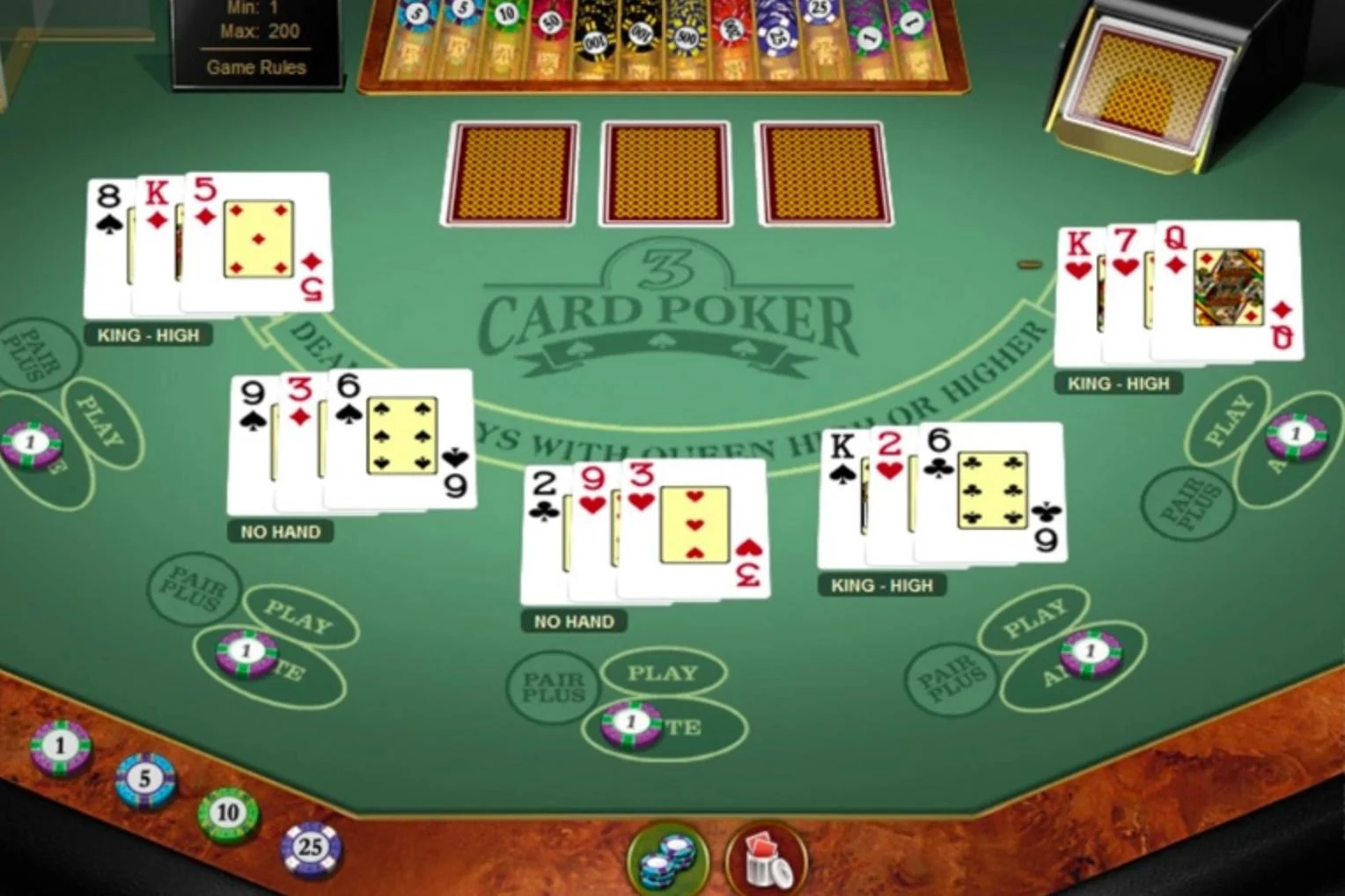
A useful starting point is the following overview. A straight contains five consecutive ranks with any combination of suits. The highest card determines its strength, except that an ace-low wheel is five-high. Duplicate ranks cannot occupy separate positions in the sequence, and six available consecutive cards still produce only a five-card hand. A careful reading can help you distinguish the different situations.
Three of a kind
This overview brings the relevant details together. Three cards of the same rank form three of a kind when the hand is not a full house or four of a kind. Two additional high cards act as kickers. A pocket pair matching a board card is often called a set, but the ranking category remains three of a kind. The same principles apply each time you use this part of the site.
Two pair — details
The following details clarify how this works. Two pair contains two cards of one rank, two of another rank and one kicker. Compare the higher pair first, then the lower pair, then the kicker. If seven cards contain three pairs, only the best two pairs and the best available fifth card make the final hand. Keeping the full context in mind helps avoid misunderstandings.
One pair
Here is the context for this part of the site. One pair uses two cards of the same rank and three kickers. A higher pair beats a lower pair regardless of the kickers. When the pair ranks match, compare the remaining three cards in descending order until a difference determines the winner or an exact tie remains. The same principles apply each time you use this part of the site.
High card — details
Consider these points when using this feature. When no stronger category applies, the best five available ranks form a high-card hand. Compare those cards from highest to lowest. An ace normally plays high, and the sixth or seventh available card cannot break a tie between identical five-card hands. The same principles apply each time you use this part of the site.
Read the board before comparing — details
The following details clarify how this works. Hold’em always selects the best five cards from seven available at the river. A strong board can give several players the same full house, straight or flush. Your private cards help only when they improve the best five-card combination; merely holding a higher unused card does not win a tie. You can return to this explanation whenever you need a reminder.